


The Story and Craft of Tennessee Whiskey
Tennessee has long been a leader in producing distilled spirits. As our nation’s early founders moved west, they carried with them the craft of whiskey. Fortunately for Tennessee, the land, water, and climate are nearly perfect for whiskey production—and so, whiskey we made.
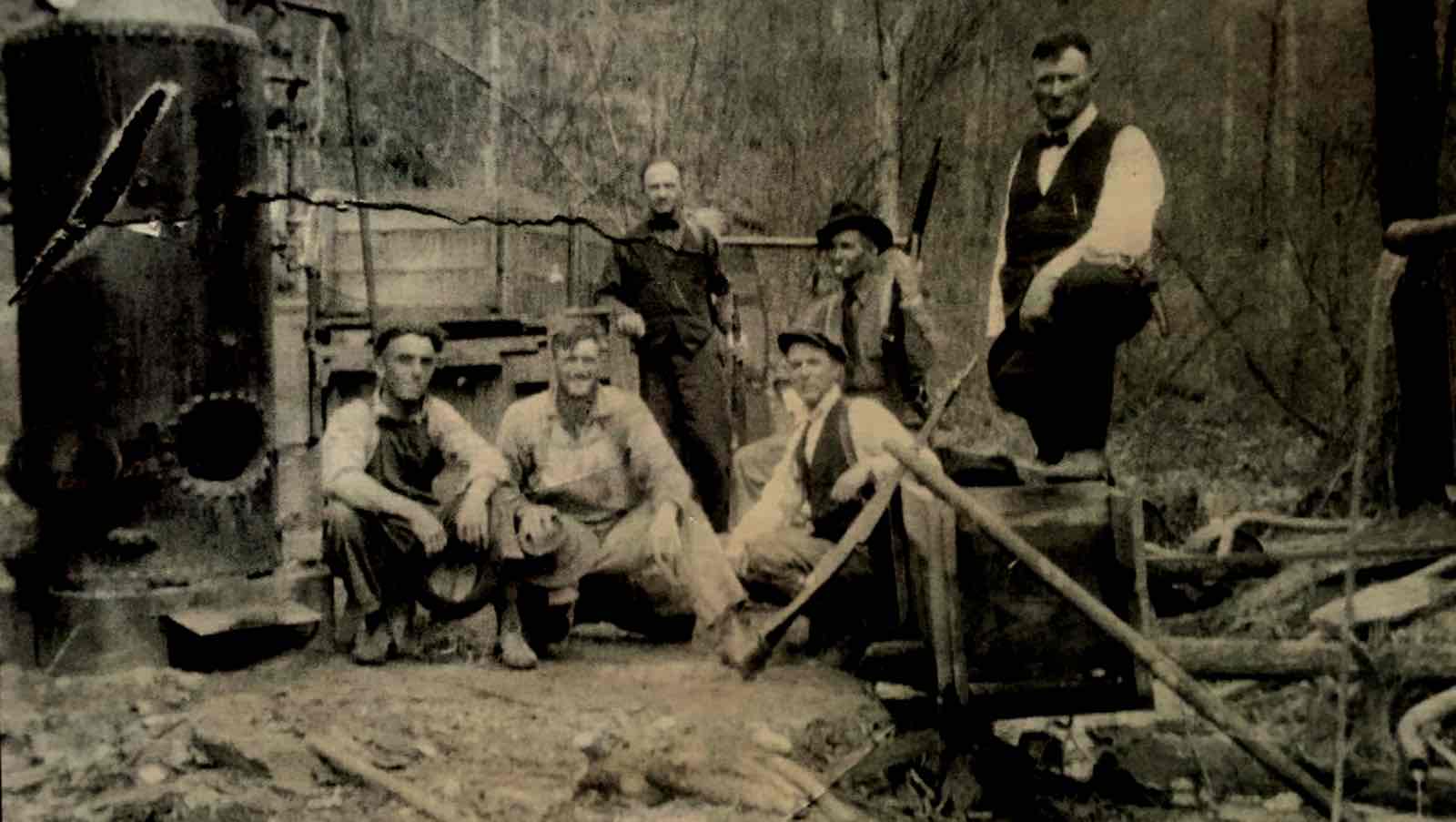
By the mid-1800s, Tennessee was already a leading producer of distilled spirits. The state made so much whiskey that during the Civil War, the Confederate government outlawed whiskey production to supply the army, marking the nation’s first act of prohibition. After the war, Tennessee’s spirits industry quickly rebounded, and by 1908 hundreds of registered distilleries operated across the state. But in 1910, Tennessee once again led the way into prohibition—banning whiskey production a full decade before the federal ban of 1920.
Tennessee remained dry until 1939, six years after the federal repeal. While these laws destroyed the legal spirits trade, Tennesseans never stopped making whiskey and moonshine, preserving our state’s reputation for fine spirits. When the Jack Daniel Distillery reopened in 1940, and George Dickel followed in the 1950s, the rebuilding of Tennessee’s whiskey heritage began. In the 1990s, Pritchard’s became the state’s first new craft distillery in decades. Reform finally came in 2009, when Tennessee removed many Prohibition-era barriers to entry. Since then, the number of distilleries has grown from just three to more than thirty, ranging from small boutique makers to world-renowned Tennessee Whiskey legends. In 2017, these distilleries united to form the Tennessee Whiskey Trail, celebrating our state’s storied spirits heritage.
Defining Tennessee Whiskey
The law defines Tennessee Whiskey as a spirit that:
- Is manufactured in Tennessee
- Uses a grain recipe with at least 51% corn
- Is distilled to no more than 160 proof (80% ABV)
- Is placed into new, charred oak barrels at no more than 125 proof (62.5% ABV)
- Is filtered through sugar maple charcoal before aging (known as the Lincoln County Process)
- Is aged in new charred oak barrels
- Is bottled at no less than 80 proof (40% ABV)
These legal standards, combined with Tennessee’s natural resources and generations of expertise, are what make Tennessee Whiskey distinct.
The Whiskey-Making Process
All alcoholic beverages—beer, wine, and spirits—begin with fermentation. Yeast consumes sugar, creating alcohol as the natural byproduct. For beer and wine, fermentation is the final step. Spirits, however, undergo an additional stage: distillation. This process heats the fermented liquid so that alcohol vaporizes and then condenses, concentrating the alcohol while separating it from water and other byproducts.
Whiskey, including Tennessee Whiskey, is made from a fermented mash of grains. Brandy, by contrast, is distilled from fermented fruit mash, such as grapes or apples.
The four primary steps of whiskey-making are:
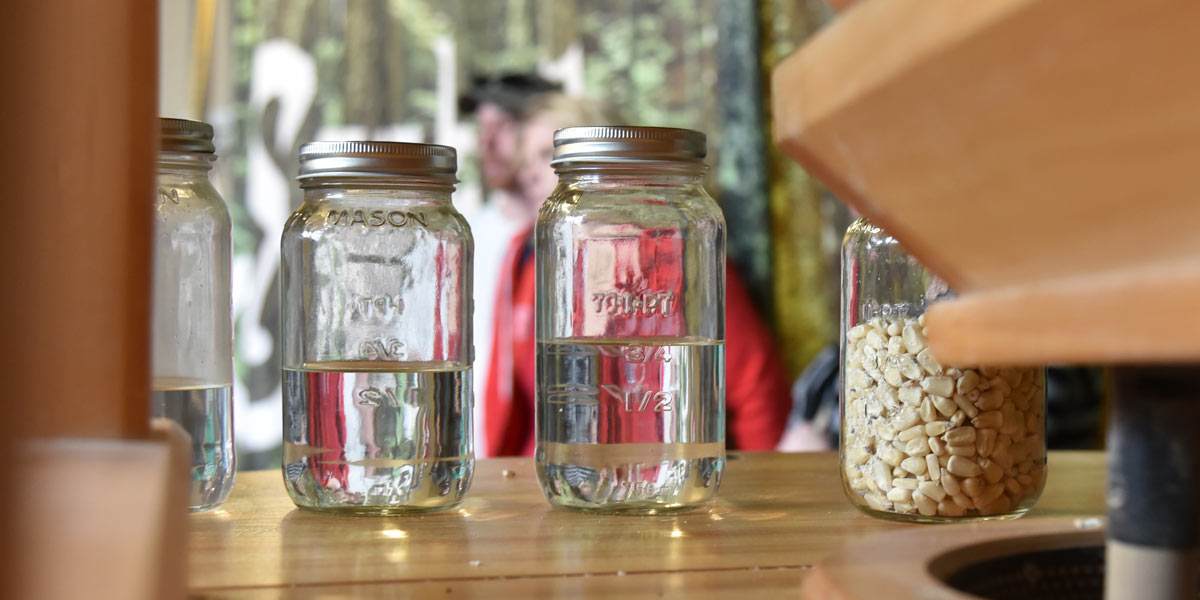
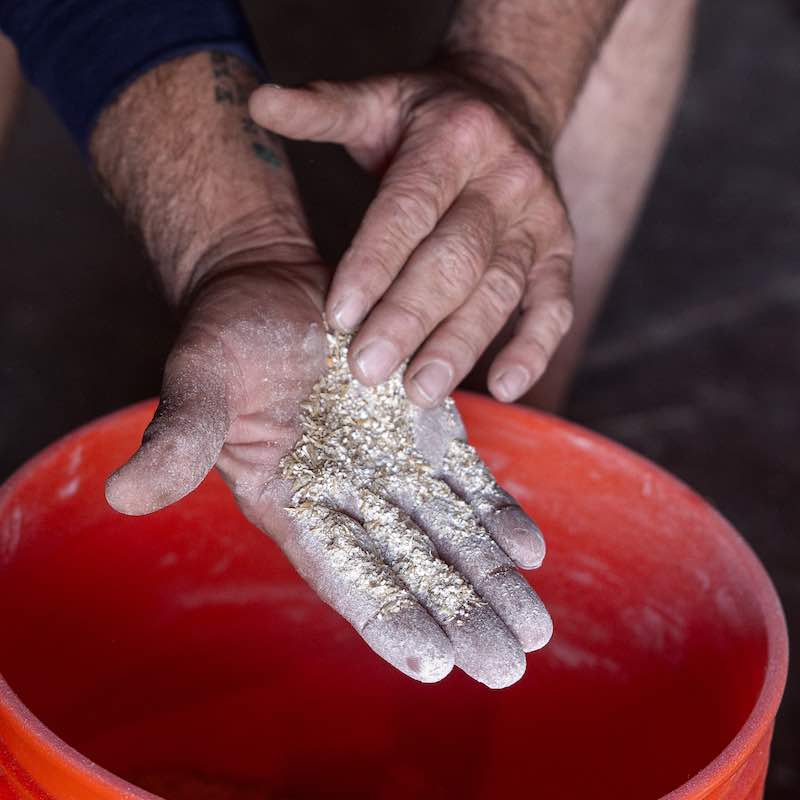
- Mashing – Grains such as corn, barley, rye, and wheat are ground, mixed with water, and cooked to convert starches into fermentable sugars.
- Fermenting – Yeast is added, turning sugars into alcohol. The result is a “beer” ready for distillation.
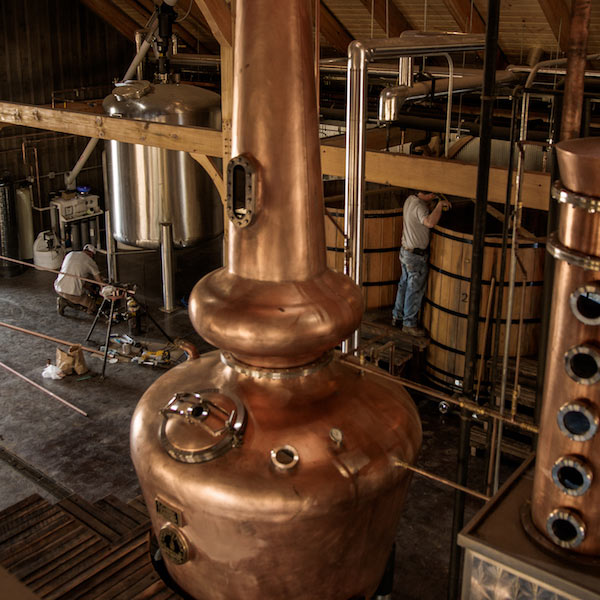
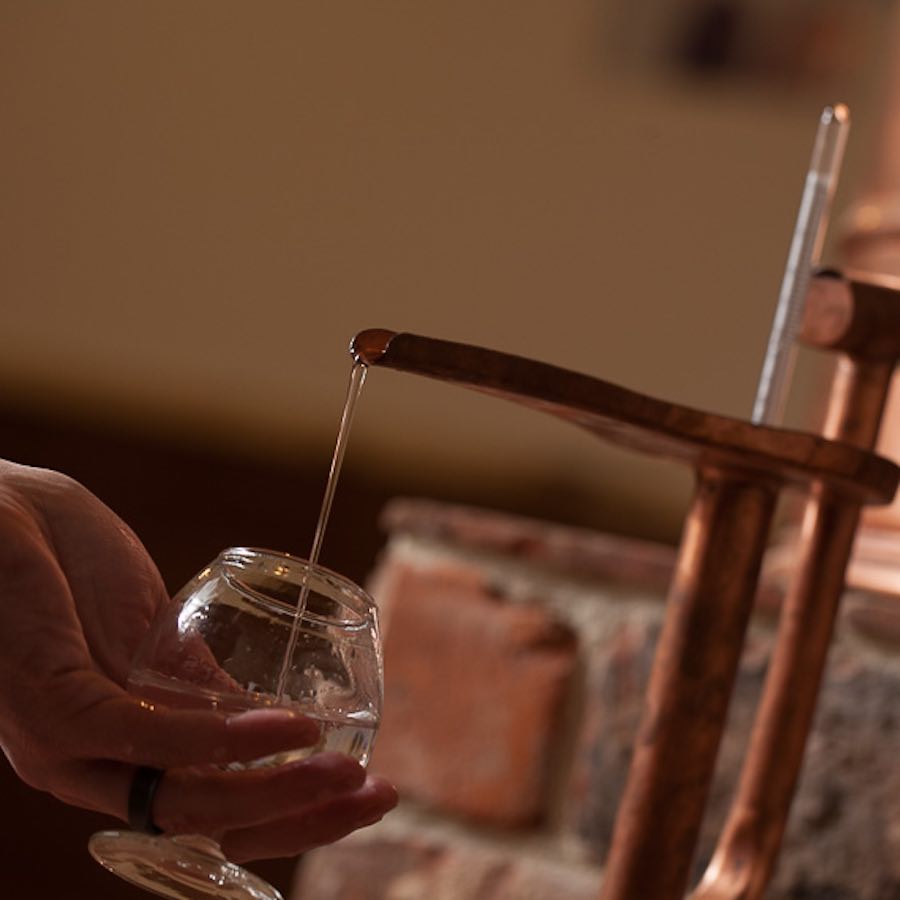
- Distilling – The beer is heated in a still, allowing alcohol vapor to separate and condense. The result is a clear, unaged spirit.
- Aging – The spirit is filtered through sugar maple charcoal (the Lincoln County Process) and then aged in new, charred oak barrels. During aging, the whiskey gains its color, complexity, and smoothness.
When whiskey emerges from the still, it is colorless. Only time in oak barrels—along with Tennessee’s unique charcoal mellowing process—transforms it into the rich, amber spirit we know as Tennessee Whiskey.
Sip, Savor, and Celebrate
From Civil War prohibition to modern-day craft innovation, Tennessee has always stood at the forefront of American whiskey-making. Today, distilleries across the state—large and small—carry on this legacy. Once bottled, Tennessee Whiskey is ready for its final step: to be poured, savored, and enjoyed.